
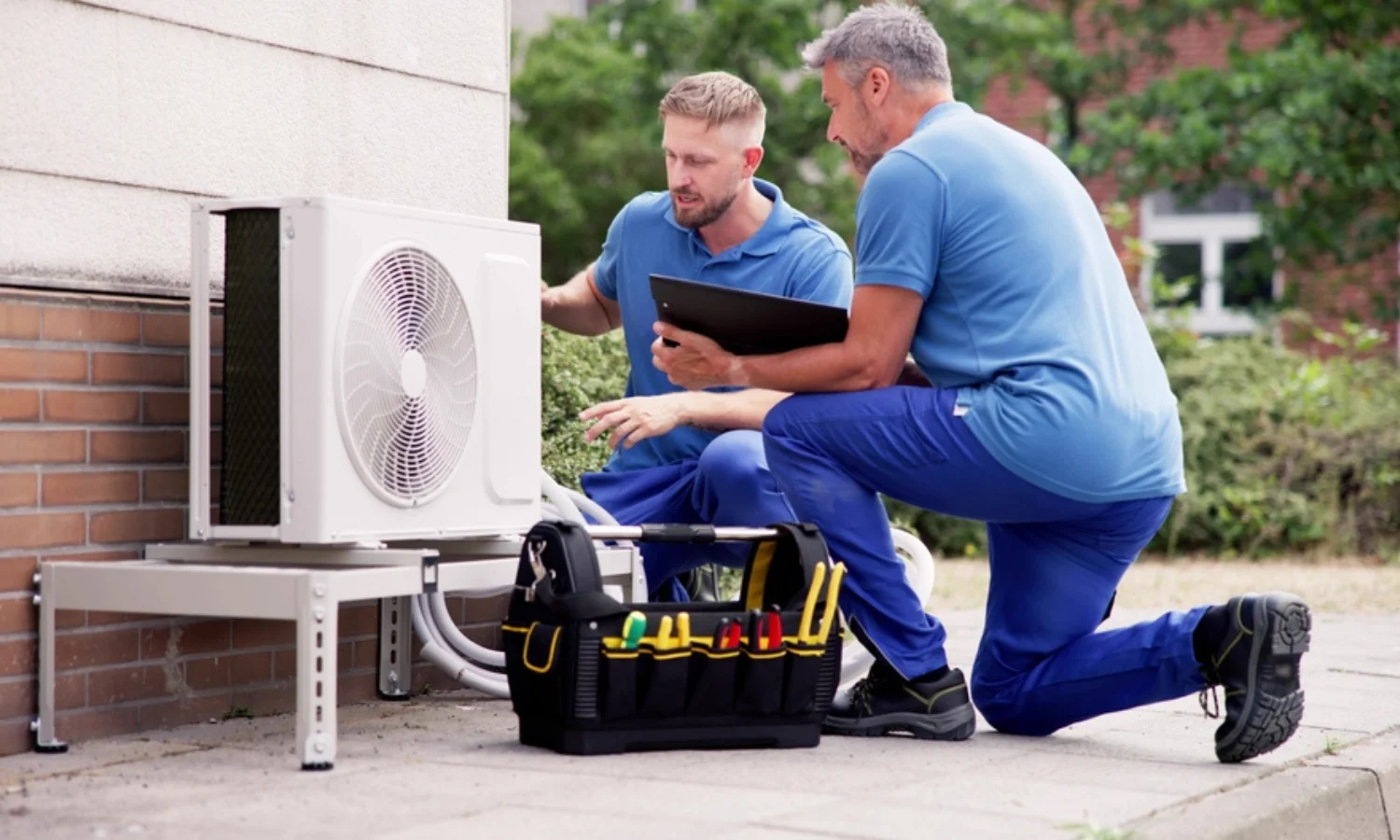
Understanding the HVAC Replacement Timeline for a Stress-Free Upgrade
When your heating and cooling system starts showing signs of failure, replacing it becomes a top priority. But how long does the process actually take? The HVAC replacement timeline can vary depending on the type of system, contractor availability, and your preparation. This guide breaks down the typical steps so you know exactly what to expect.
How Long Does an HVAC Replacement Take?
On average, a complete HVAC replacement can take anywhere from 1 to 3 days. However, the full process—from inspection to final inspection—often spans 2 to 6 weeks. Let’s explore each stage in detail.
Step 1: Evaluating Your Current System
The first stage of the HVAC replacement timeline involves scheduling a consultation with a licensed contractor. This evaluation typically includes:
- Checking your existing equipment and ductwork
- Measuring your home’s size and airflow needs
- Discussing efficiency options and budget
This stage usually takes 1–2 days. For more on working with professional services, visit RankVA.
Step 2: Choosing and Ordering Your New HVAC Unit
After the inspection, you’ll select the right system. Factors like energy efficiency ratings, system size, and smart features influence your choice. Ordering the unit can add anywhere from a few days to a couple of weeks depending on stock availability.
For advice on making smart purchase decisions, Rank Fast Agency provides useful resources.
Step 3: Scheduling Installation
Contractors often schedule installation within 1–4 weeks depending on demand. Peak seasons (summer and winter) may extend your wait time, while off-season replacements often get booked faster. To avoid unnecessary delays, use tools like ProLinkBox for project tracking.
Step 4: Preparing Your Home
A little preparation can speed up your installation day. Make sure:
- HVAC areas are cleared of furniture and obstacles
- Pets and kids are kept away from workspaces
- All necessary electrical or gas connections are accessible
Organized preparation reduces complications. Check out LinkBox Agency for more project efficiency tips.
Step 5: Installation and Testing
The actual HVAC installation usually lasts 1–3 days. The process includes:
- Removing the old system safely
- Installing the new indoor and outdoor units
- Connecting electrical, gas, and refrigerant lines
- Running performance tests and calibrations
After installation, contractors ensure everything is working correctly before leaving your home.
Step 6: Final Inspection and Maintenance Plan
Once the new system is running, the final step is inspection and homeowner education. Contractors should explain:
- How to operate your thermostat and HVAC system
- Basic maintenance like filter changes
- Available warranties and service plans
This last step ensures your system lasts longer and performs efficiently.
Frequently Asked Questions (FAQs)
1. What’s the fastest HVAC replacement timeline?
If the unit is in stock and the contractor is available, the process can be completed in as little as 3–5 days.
2. When is the best time to replace an HVAC system?
The off-season (spring or fall) usually offers faster scheduling and better prices.
3. Can I stay home during HVAC replacement?
Yes, but expect some noise and temporary loss of heating or cooling while work is underway.
4. How can I avoid delays?
Book early, prepare your home, and work with reputable contractors. Tools like ProLinkBox can help track your replacement project efficiently.
Final Thoughts
The HVAC replacement timeline isn’t as complicated as it seems once you understand each step. From the initial inspection to final maintenance, the process can take a few weeks, but planning ahead makes everything smoother. If you’re ready for a more comfortable, energy-efficient home, start the process today.
Looking for more renovation insights? Don’t miss our article on how to measure windows for replacement.
